
Gas lift information
An office chair gas lift (or pneumatic cylinder) is a sealed, pressurized unit that enables smooth seat height adjustment, typically using compressed nitrogen gas. It serves as the central support column connecting the seat mechanism to the base and is a crucial component for ergonomic seating.
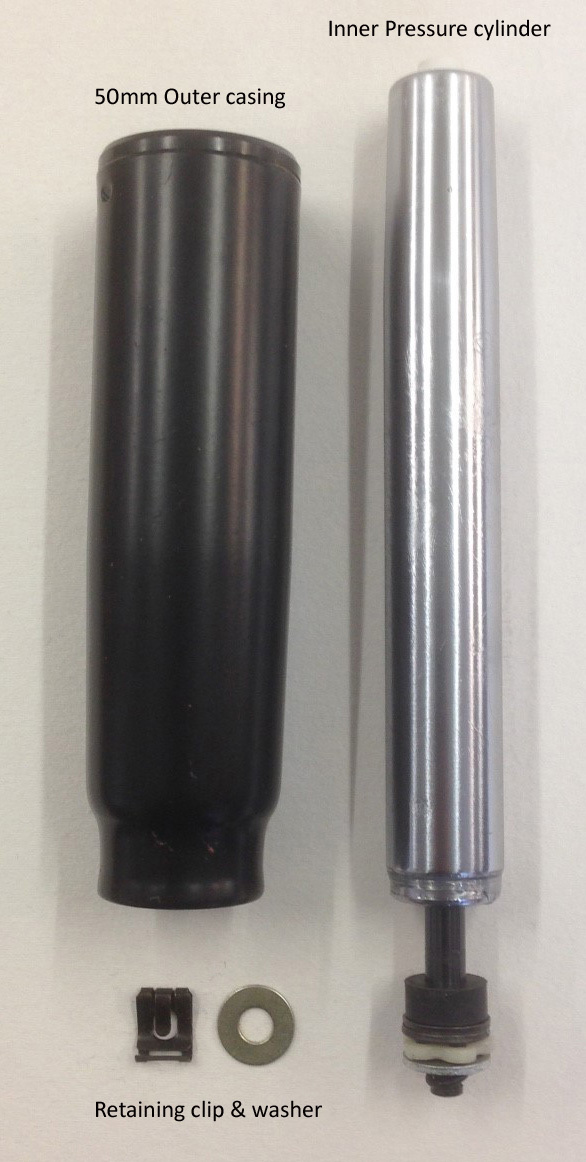
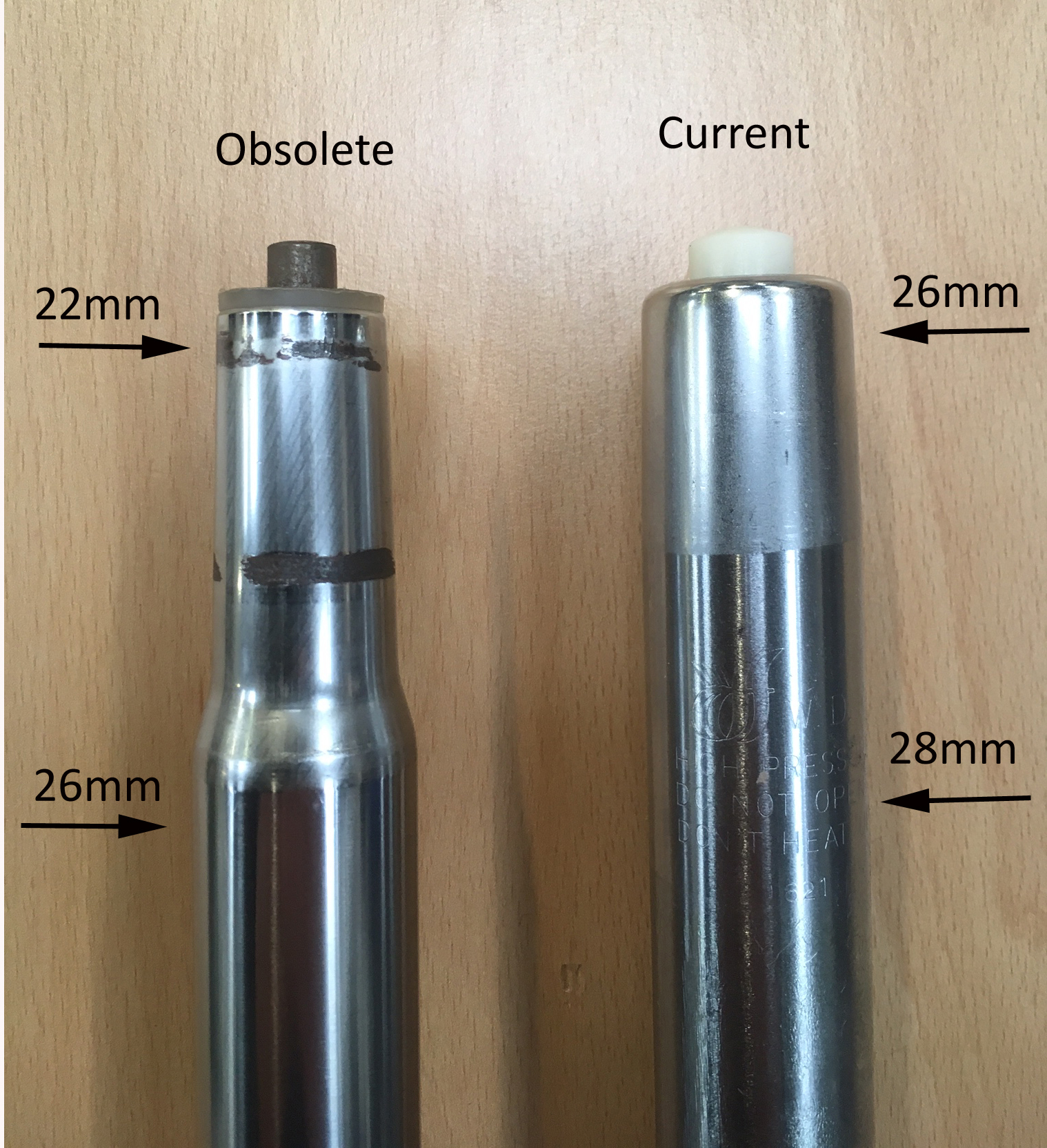
There are two parts to a complete gas lift unit. The 28mm pressure cylinder and the 50mm outer casing. The pressure cylinder is the section, that when activated, allows the chairs to go up and down. High-quality lifts are typically SGS/BIFMA or BS-certified for safety and durability.
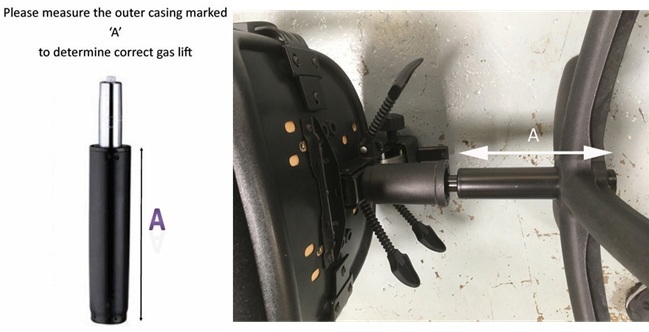
How to measure a gas lift
Fitting and removing a gas lift
Pressure Cylinders
A pressure cylinder is the inner 28mm part of a gas lift, this is the part that extends the gas lift when activated. Sometimes, when the outer casing dimensions are not the standard 50mm, we replace the pressure cylinder part ONLY.
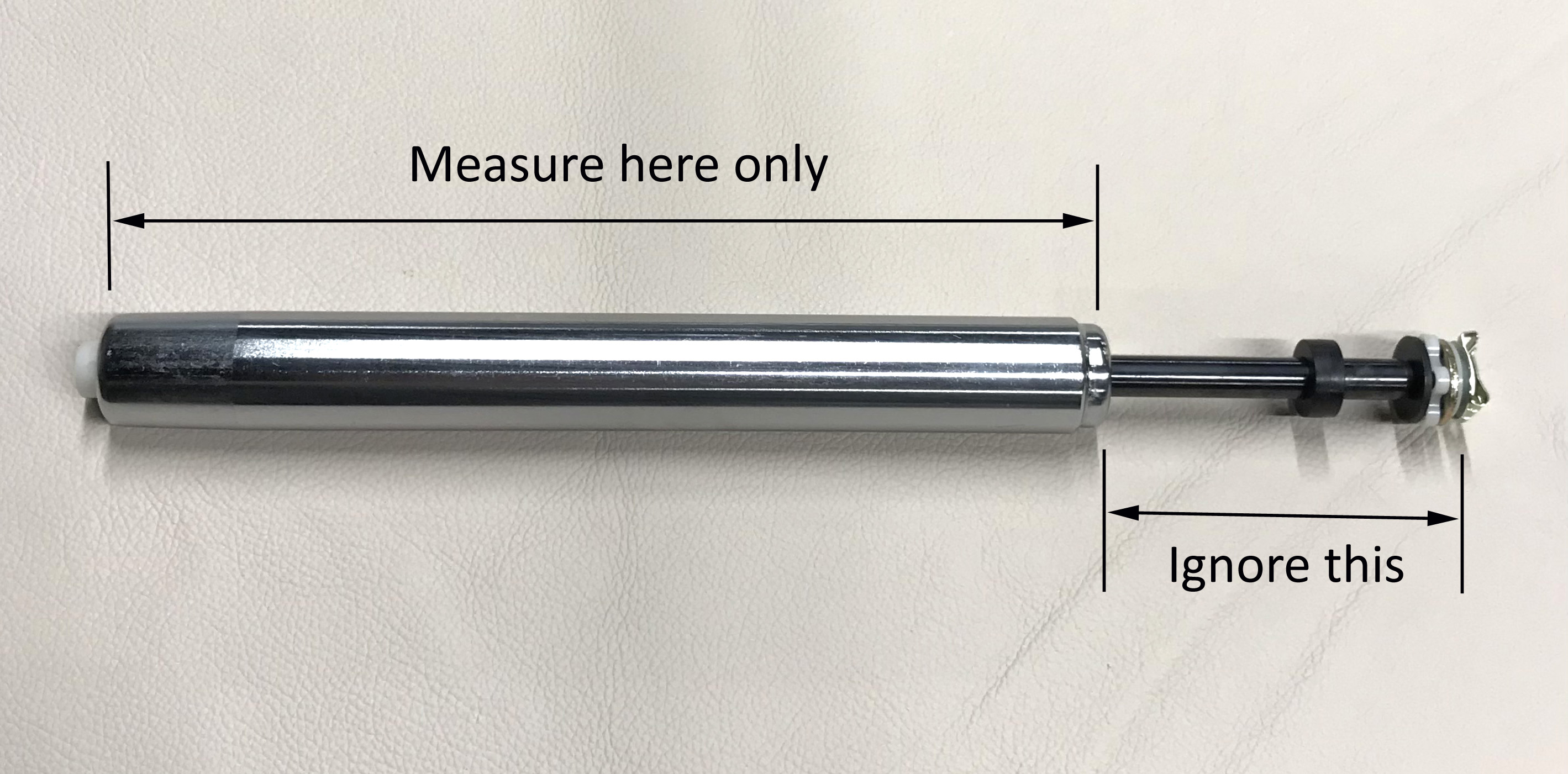
Correct way to measure a pressure cylinder
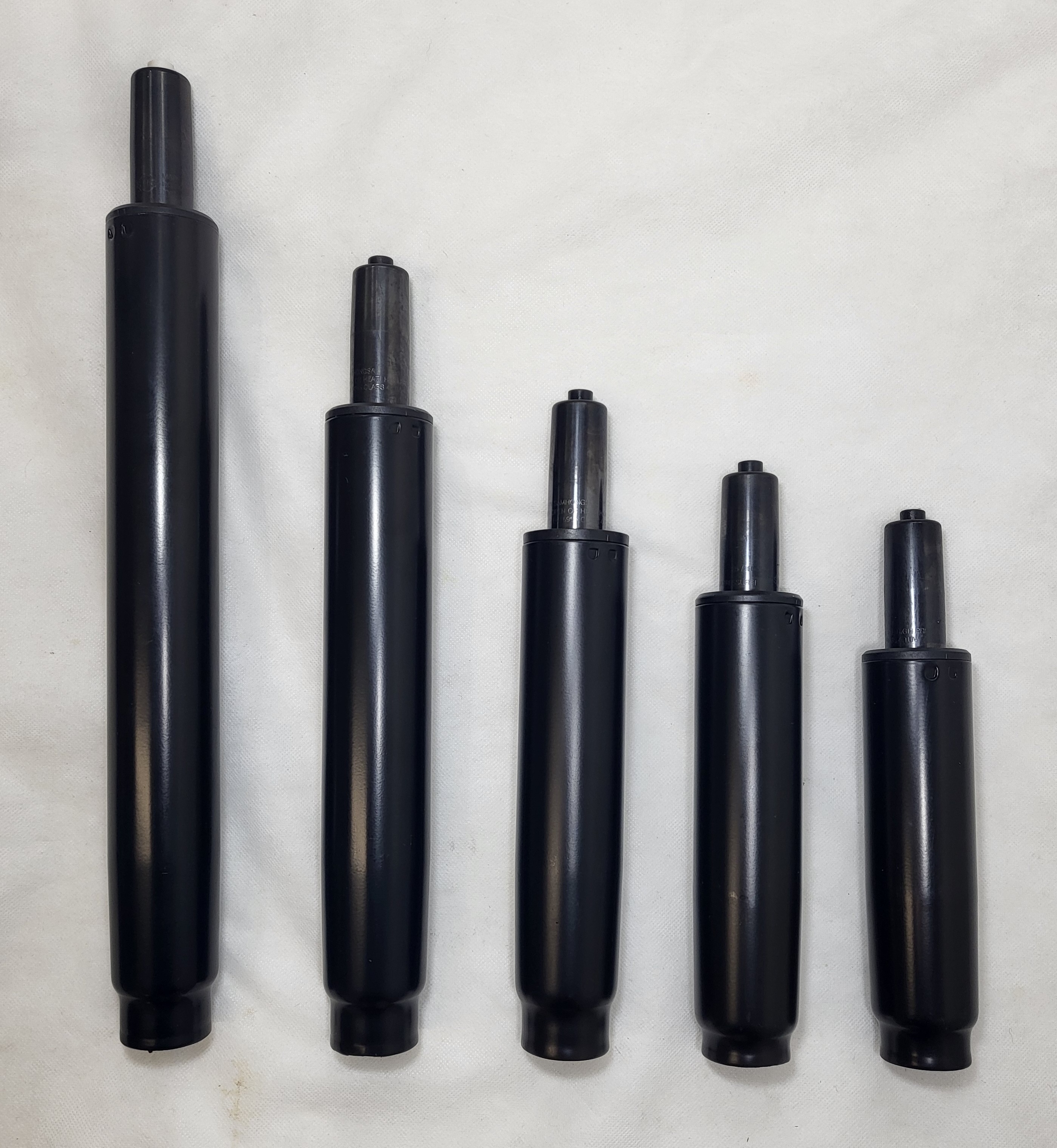
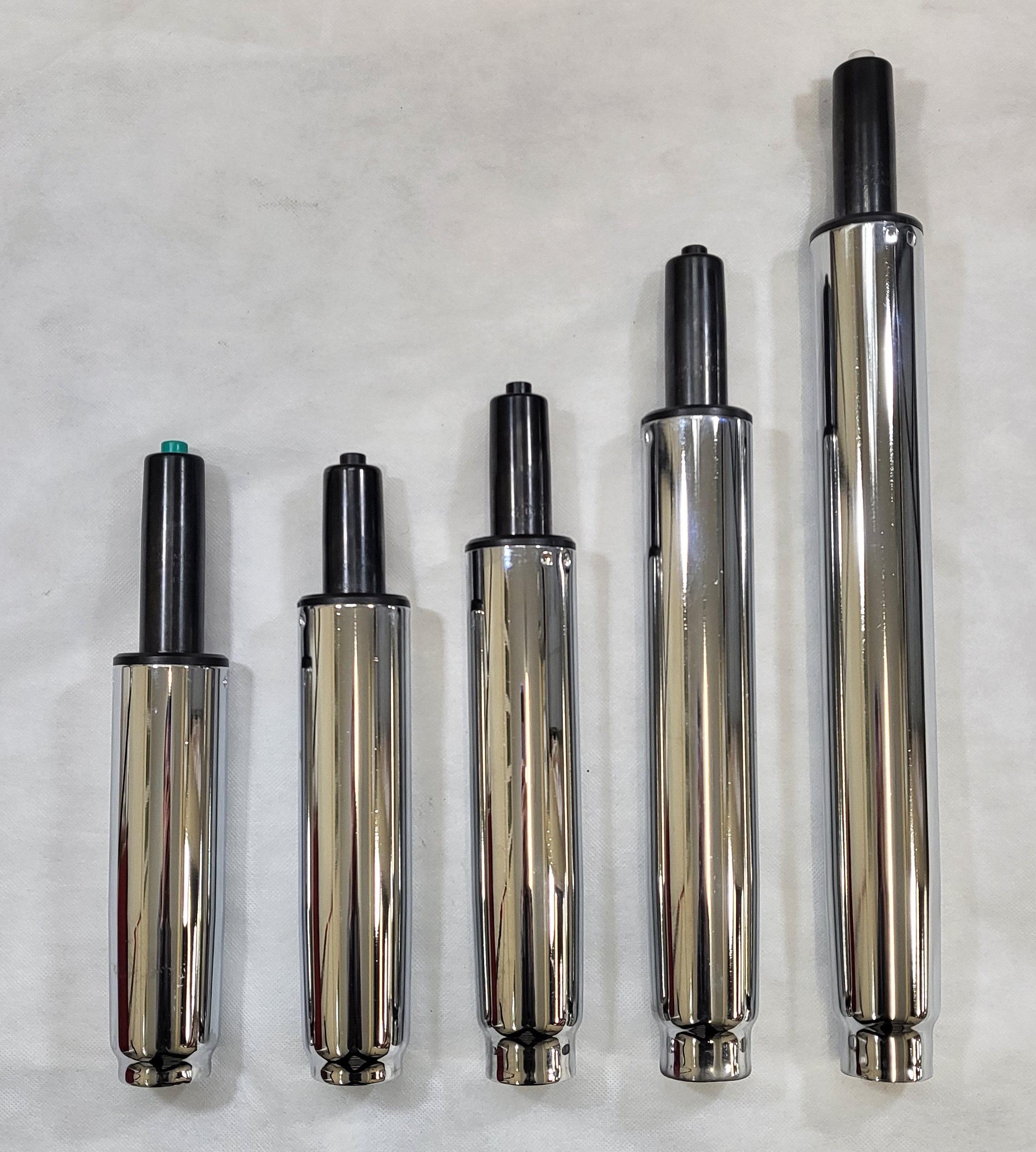
Types of gas lifts;
- GL7
- GL8
- GL9
- GL11
- GL15 (counter height)
Available in Black or Chrome.
Standard gas lifts:
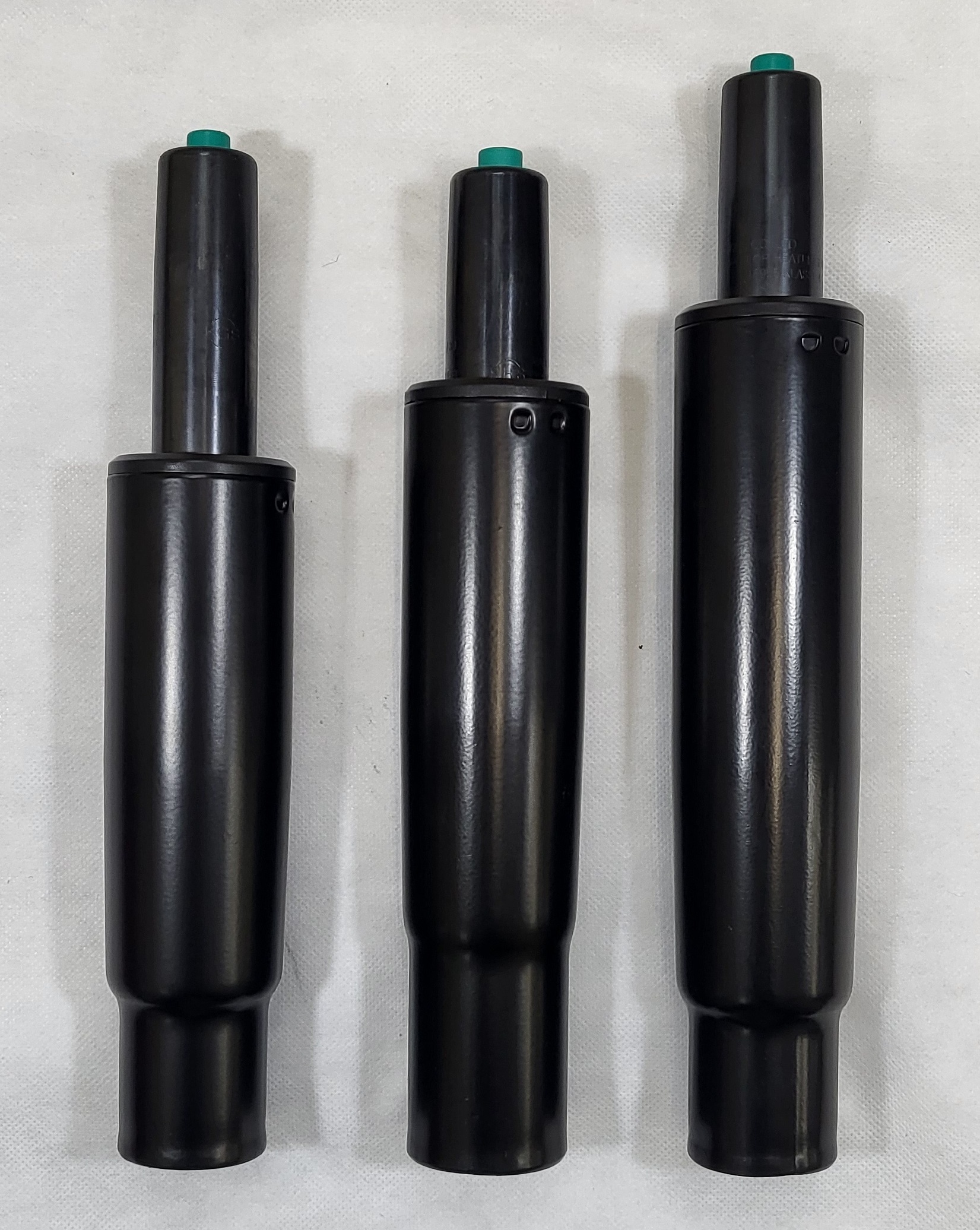
Drop through gas lifts:
The term 'drop-through' is where the cylinder casing passes through the base, often requiring more clearance below than standard gas lifts, common in pyramid style bases.
- GL7DT
- GL8DT
- GL9DT
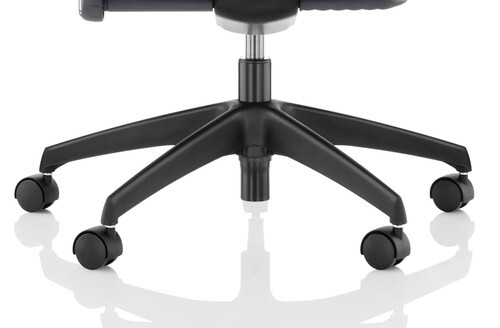
Long drop through gas lifts:
- Enigma 70/30
- Enigma 50/50
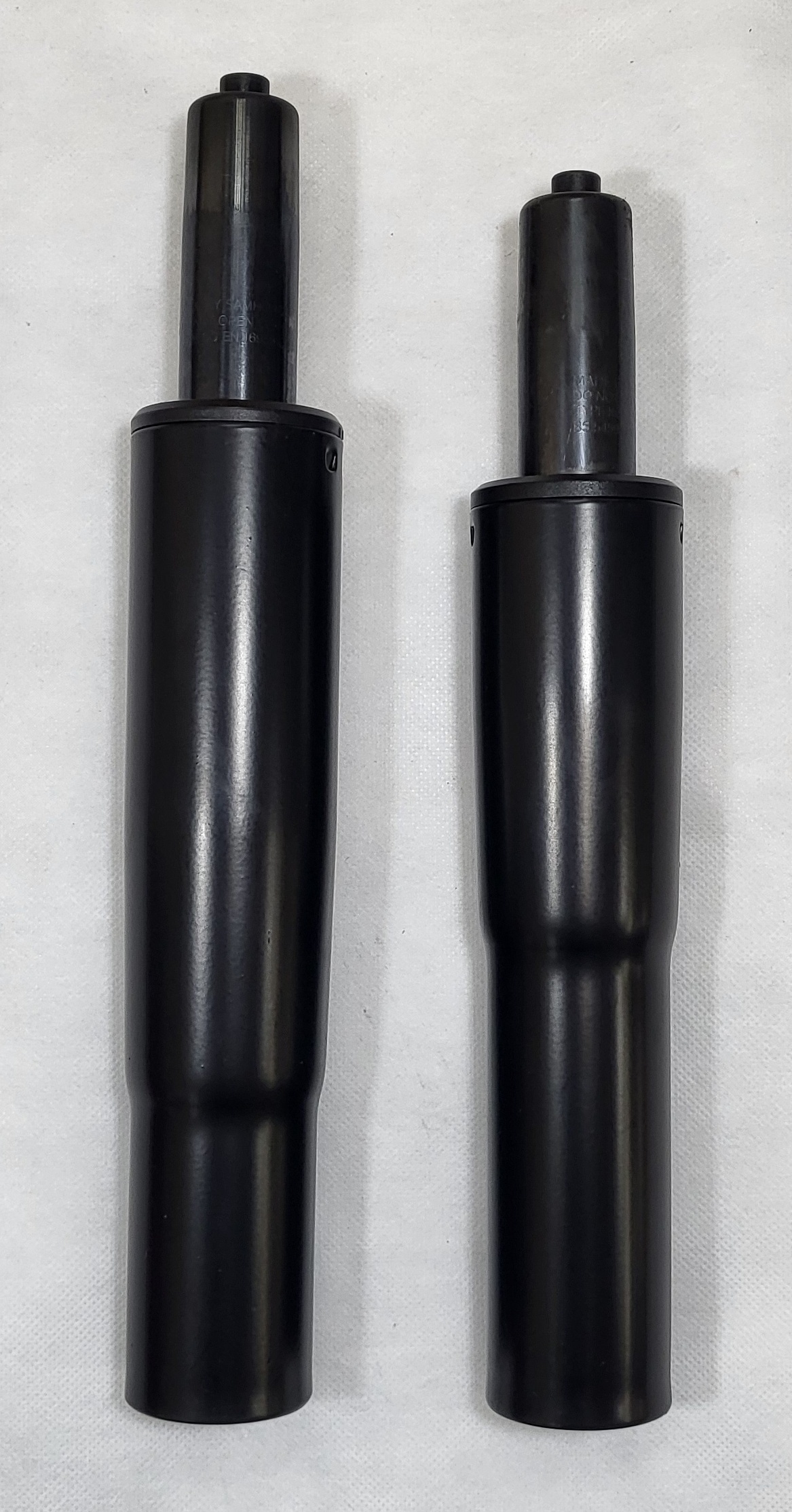
Sometimes very old chairs have obsolete gas lifts, these look like this;
Signs your gas lift may be failing
If a chair continuously sinks or won't hold its height, the inner seals have likely failed, causing it to lose pressure. It is generally not possible to refill the gas cylinder. However, the unit is usually replaceable rather than needing a new chair.
- Height Instability: If you notice that your chair's height no longer remains consistent or starts sinking on its own, it could be a sign of a faulty gas cylinder. Unwanted seat height adjustments or difficulty maintaining a desired position are indications of internal gas leakage or cylinder malfunction.
- Inability to Adjust Height: When you find it impossible to raise or lower the seat despite using the height adjustment lever or mechanism, it suggests a problem with the gas cylinder. The piston might be stuck or the release valve may not be functioning correctly.
- Sudden Drops or Jolts: If your office chair suddenly drops or experiences jolts while you're seated, it can be alarming and potentially dangerous. This indicates a gas cylinder issue where the compressed gas is not providing the necessary support and stability.
- Oil leaks: If you notice oil leaking then your gas lift has failed.
Gas lift removal tool